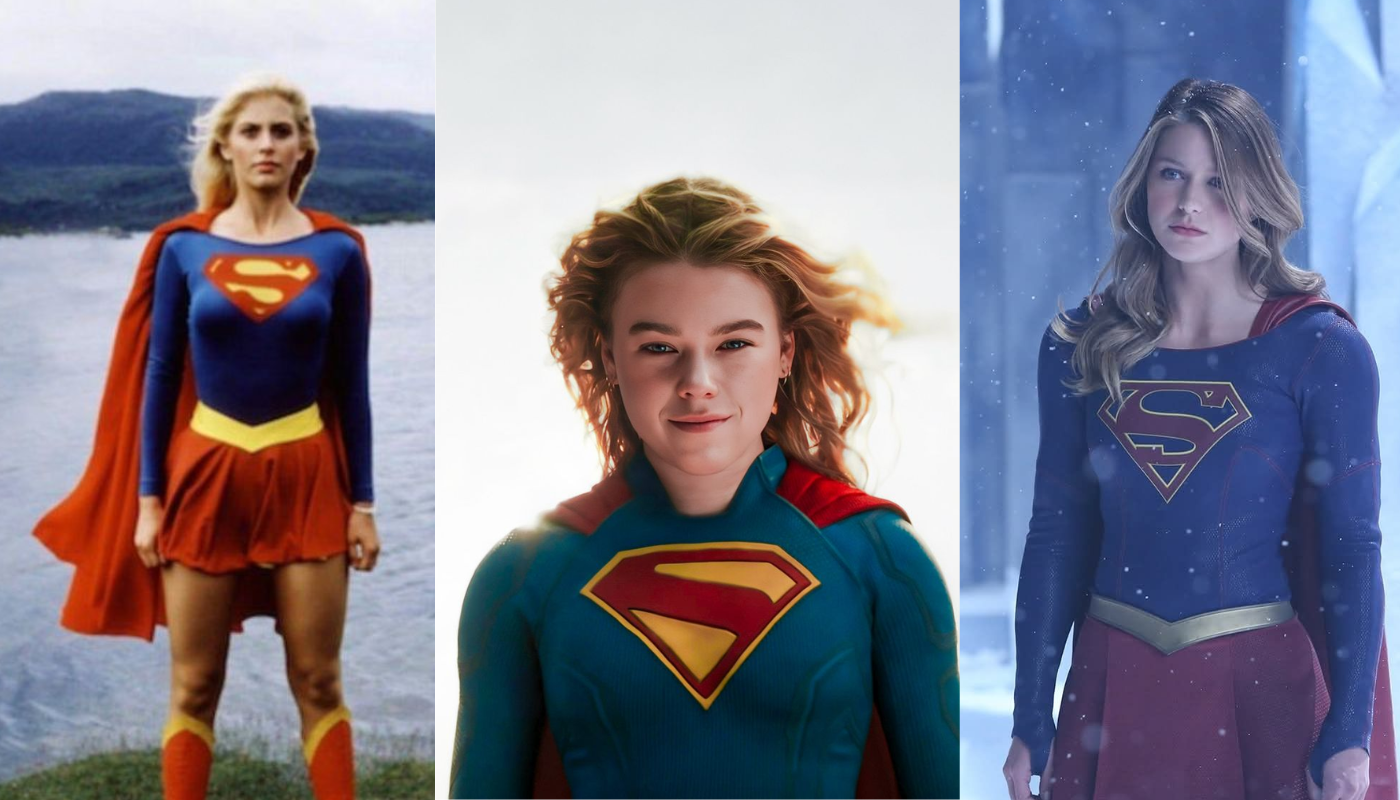
Supergirl’s Costume Evolution 2026: From Melissa Benoist to Milly Alcock’s New DCU Suit (Full History)
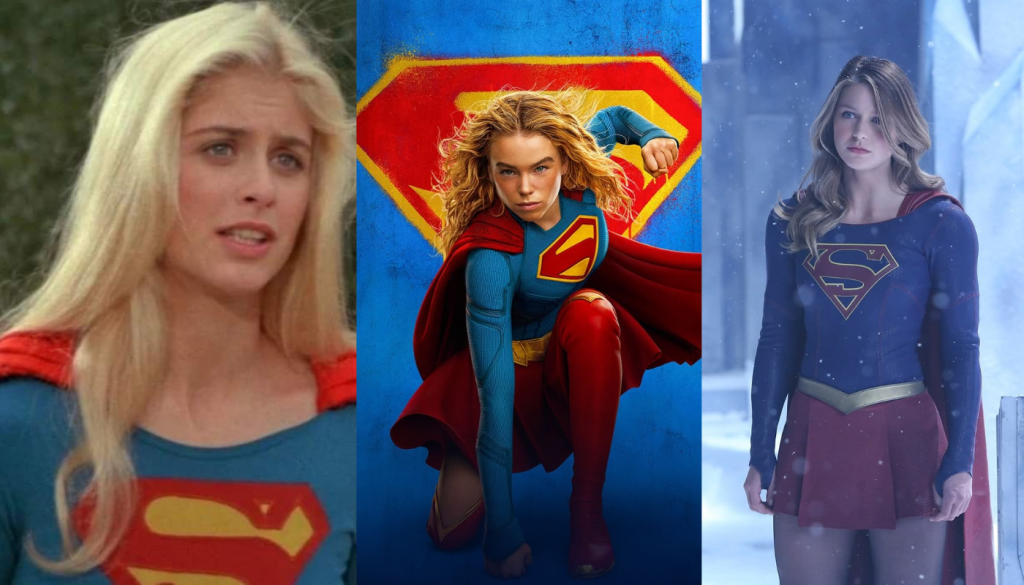
Supergirl’s Costume: The Complete Evolution of DC’s Most Iconic Female Superhero Suit
When most people think about Supergirl, they envision a blonde woman in a red and blue suit, flying across the sky with the same confidence as her famous cousin Superman. But the Supergirl costume has evolved significantly since her introduction, and that evolution tells an interesting story about how female superhero design has progressed over decades. From comic book origins to television adaptations, the Supergirl suit has transformed alongside the character herself.
Quick Info:
- Original Appearance: Action Comics #252 (May 1959)
- Character: Kara Zor-El (Superman’s cousin)
- Classic Colors: Red, blue, and white (with occasional gold accents)
- Primary Designer Influences: Various artists across decades (currently sourced from modern continuity)
- Television Version: Supergirl TV series (2015-2021) featured updated CW costume
- Symbol: Superman’s “S” shield on chest (representing House of El heritage)
- Latest Evolution: (2026) More practical, combat-oriented designs balancing power and functionality
- Cultural Impact: Represents shift toward stronger female superhero characterization
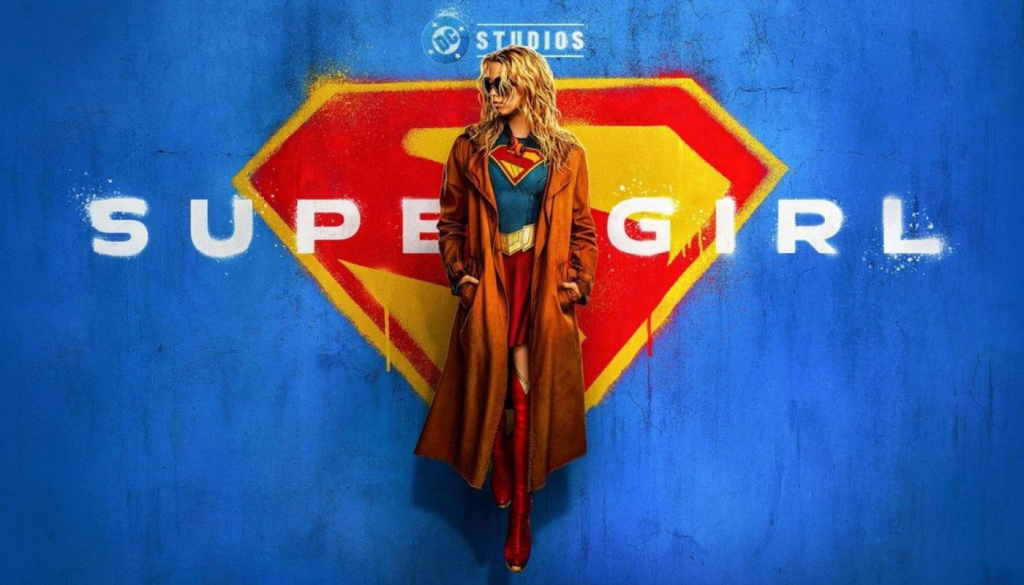
The Original Supergirl’s Costume: (1959)
Supergirl was introduced in 1959 as Superman’s previously unknown cousin, and her costume reflected the design sensibilities of that era. The original suit featured Superman’s iconic “S” shield on the chest, establishing her as part of the House of El. She wore red and blue, matching Superman’s color scheme while wearing what was essentially a female version of his suit. There was a mini-skirt element that reflected 1950s fashion conventions, even in superhero design.
The original costume made clear statements: Supergirl is related to Superman, she shares his power, and she deserves respect as a superhero. But the design also reflected societal expectations of how female characters should look. The skirt was there partly because women wore skirts in the 1950s, not necessarily because it made sense for a flying superhero. This is important context when understanding costume evolution.
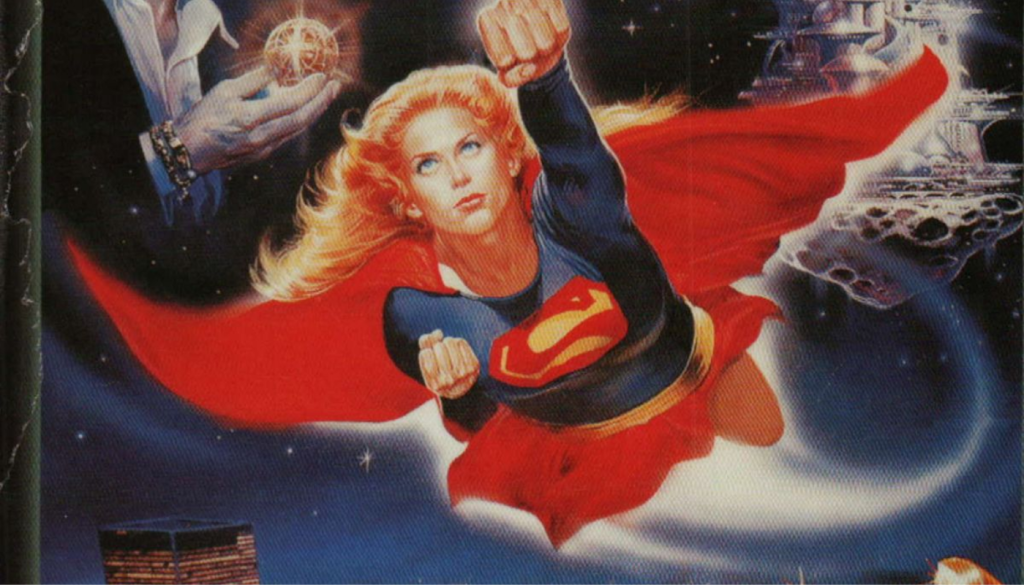
The Transformation Through the Decades (1970-80’s)
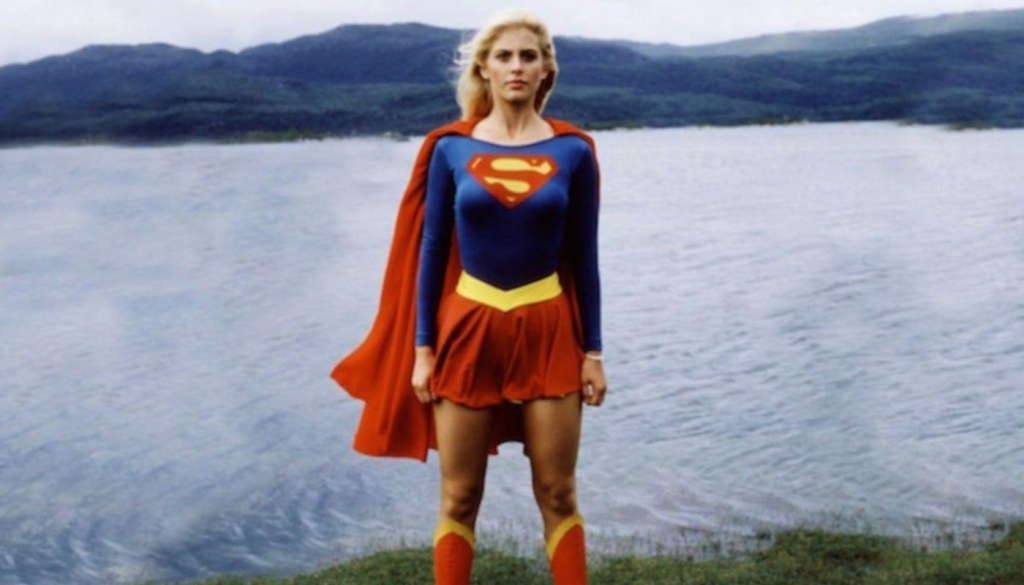
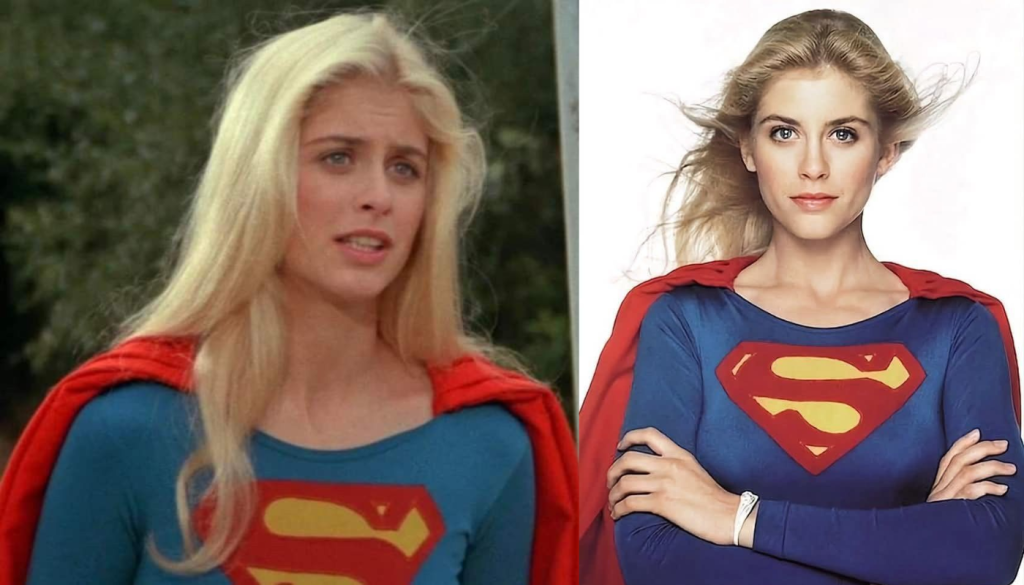
As comic book art evolved and societal attitudes shifted, so did Supergirl’s costume. The 1970s and 1980s brought various redesigns, sometimes giving Supergirl a more distinct look from Superman. Some versions featured different colors, different symbol placements, or different overall aesthetics. Each iteration tried to balance maintaining the House of El connection while giving Supergirl her own identity.
By the 1990s, superhero design was becoming more practical and detailed. Supergirl costumes incorporated more modern elements, streamlined proportions, and design choices that acknowledged the physics of actually flying at super-speed. Artists understood that fabric would move, that joints required articulation, and that functionality mattered alongside aesthetics.
The Modern Comic Book Version
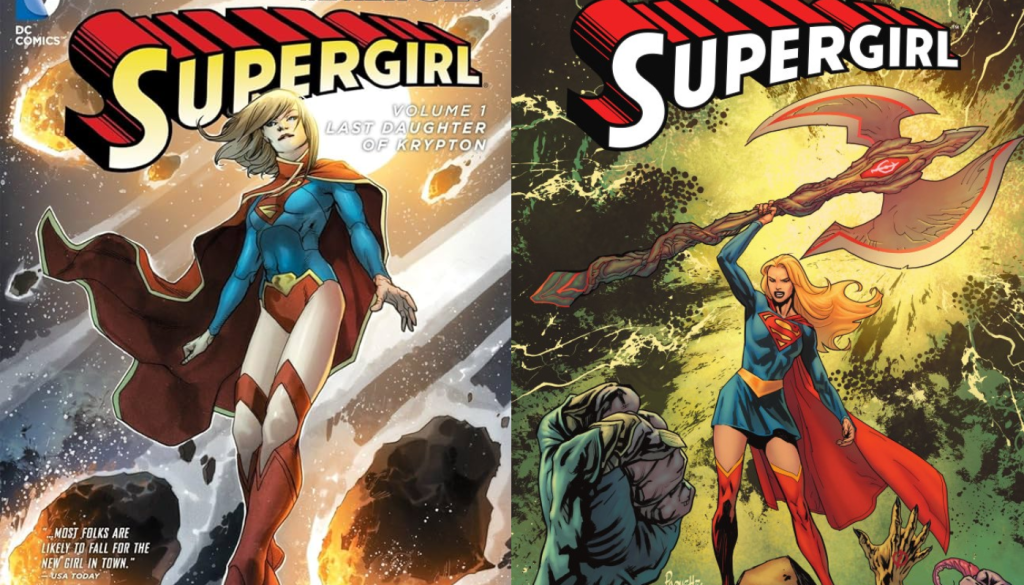
In contemporary DC Comics continuity, Supergirl’s costume maintains the classic red, blue, and white color scheme while incorporating modern design sensibilities. The suit features updated proportions, cleaner lines, and a more athletic, practical appearance. The “S” shield remains central to her identity, firmly establishing her connection to Superman while the overall design feels distinctly hers.
Modern Supergirl costumes often feature leggings instead of skirts, a practical choice that reflects contemporary superhero design standards. The suit maintains flexibility for movement while providing the durability necessary for a being with Kryptonian powers engaging in combat and high-speed flight. Color blocking is cleaner, proportions more balanced, and the overall aesthetic feels like it belongs in 2026 rather than 1959.
Top Stories: Christopher Nolan’s The Odyssey with Matt Damon Is Gamble: Inside Epic Greek Mythology Report
The CW Supergirl Television Series Costume (2015)
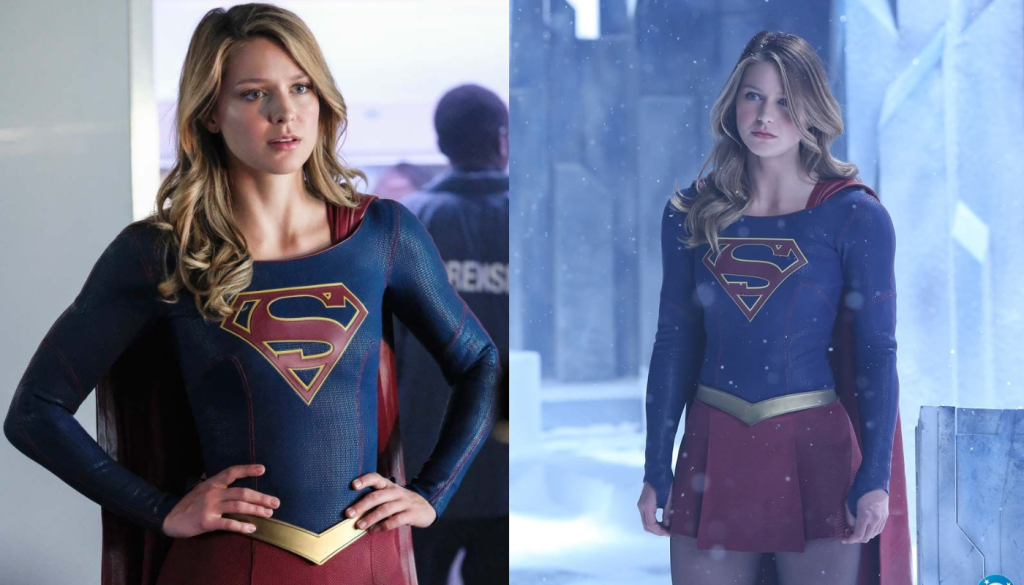
When the CW’s Supergirl series premiered in 2015, the costume became a major talking point. The television version, worn by actress Melissa Benoist, featured a distinct interpretation of Supergirl’s classic suit. The TV costume maintained the red and blue color scheme but incorporated more contemporary fabric choices, better articulation for action sequences, and design elements that worked specifically for live-action production.
The television suit featured a red skirt-like element with blue leggings underneath, creating a practical middle ground between the classic design and modern sensibilities. The top portion utilized modern superhero costume construction with articulated seams, tech-inspired details, and a more athletic fit. The “S” shield was prominently displayed, maintaining Supergirl’s connection to Superman while the overall suit felt distinctly designed for television.
Top Stories: Why Emily Blunt’s Devil Wears Prada 2 Role Is Her MOST Powerful One Yet?
Design Elements and Symbolism in Supergirl’s Suit
The “S” shield represents the House of El, Kryptonian heritage, and Supergirl’s connection to Superman. But it also represents something broader: female power, confidence, and the right to stand alongside the most iconic superhero in comic books. When Supergirl wears that symbol, she’s claiming her place in the superhero pantheon.
The red color dominates the costume, suggesting power, strength, and determination. The blue represents stability and heroism, connecting back to Superman’s legacy while establishing Supergirl’s own heroic identity. White accents provide visual balance and cleanliness, preventing the suit from feeling too heavy or overwhelming. Every color choice matters and communicates something about the character.
The practical elements of modern Supergirl costumes, the proper footwear, the reinforced seams, the articulated joints, communicate that this is a warrior’s suit, not just a pretty outfit. She’s not dressed to be looked at. She’s dressed to fight, fly, and save people. That’s a significant evolution in how female superhero costumes communicate function.
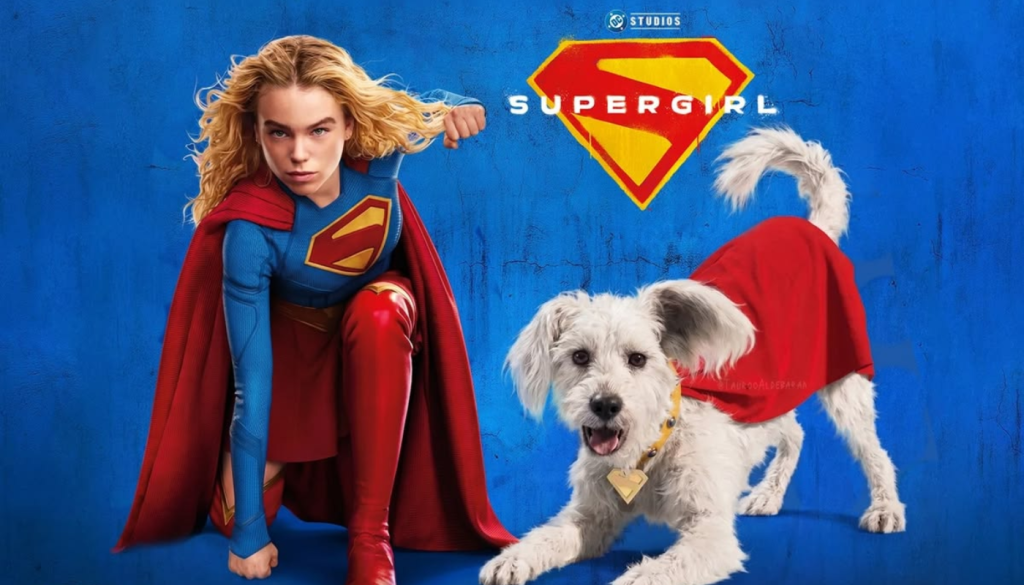
Supergirl’s Costume in Different Media
Beyond comics and television, Supergirl’s costume has appeared in animated films, video games, and various DC Universe projects. Each adaptation interprets the suit slightly differently based on the medium’s requirements. Animated versions often simplify the design for consistent drawing. Video game versions incorporate more technical details for the digital format. Live-action versions must work with real fabric and movement.
What’s consistent across all versions: the core elements remain. The red, blue, and white color scheme. The “S” shield. The overall silhouette that communicates strength and heroism. This consistency ensures Supergirl is recognizable across media while allowing for medium-specific variations. That’s smart character design.
FAQs
Q: Why does Supergirl wear similar colors to Superman?
A: Both wear red and blue because they share Kryptonian heritage. The “S” shield specifically represents the House of El family symbol. It connects them as family while allowing Supergirl to establish her own distinct identity.
Q: Has Supergirl ever had a completely different costume color?
A: Yes, various storylines and alternate universes have featured Supergirl in different color schemes, but the red, blue, and white classic combination remains her primary and most recognized costume.
Q: How does Supergirl’s costume differ from Superman’s?
A: While they share the color scheme and “S” shield, their costumes have distinct proportions and design elements. Supergirl’s suit is tailored to her physique and character, making her visually distinct despite the family connection.
Q: What makes a good Supergirl costume design?
A: A good Supergirl costume maintains the recognizable elements (colors, shield, silhouette) while incorporating practical design choices that suggest functionality, strength, and character development.
Top Stories: Spider Man’s Brand New Day Suit: Marvel’s Biggest Costume Redesign? 2026 Breakdown
The Psychology Behind Superhero Costume Design
Supergirl’s costume represents something psychological for audiences. It communicates her identity, her values, and her place in the superhero universe. When people see that red and blue suit with the “S” shield, they don’t see a random hero. They see someone specific with heritage, power, and purpose.
The evolution of her costume tracks evolving perceptions of female strength and capability. The 1950s version was strong for its time but reflected societal limitations on how female strength was imagined. Modern versions reflect current understanding of women in positions of power: capable, confident, practical, and unapologetically strong.
Conclusion
Supergirl’s costume is far more than just clothing. It’s a visual representation of character evolution, changing societal attitudes, and the superhero industry’s growing sophistication in character design. From her 1959 debut to modern adaptations, the Supergirl suit has transformed alongside the character herself. The red, blue, and white color scheme remains iconic, but how it’s realized has become increasingly thoughtful, practical, and purposeful. Modern Supergirl costumes communicate strength, competence, and independence while maintaining the iconic elements that make the character recognizable.
Whether in comics, television, or film, the Supergirl suit represents the best of contemporary superhero design: honoring legacy while embracing evolution. It’s a costume that works because it understands the character it represents and refuses to compromise on practicality or visual power. That’s why Supergirl’s suit endures as one of the most beloved and recognized superhero costumes in popular culture.
Top Stories: DC’s Epic New Lanterns Trailer: Kyle Chandler Dominates Newest Lanterns Teaser 2
About the Author:
Umer Khalil is an entertainment journalist and acting enthusiast with over 7 years of experience covering Animated series, Super hero films, newest movies and the talented actors behind them. Based in Los Angeles, he regularly interviews voice actors and production teams, bringing insider knowledge to her articles. When he’s not researching the next big animated release, you can find her watching anime/movie or podcasts about character development.